Amazon Electric Wheelchair Design Concepts and Ideas
Author: Ian C. Langtree - View Credentials
Published: 23 Nov 2023 - Updated: 27 Aug 2026
Publication Type: Informative
Table of Contents:
Synopsis - Definition - Overview - FAQs - Insights, Updates - Related Content
Synopsis
This concept design article presents speculative ideas for how Amazon might approach electric wheelchair manufacturing, drawing on the company's known focus on user feedback and customization. The piece offers practical value to wheelchair users, caregivers, and mobility device researchers by highlighting potential features like modular designs with interchangeable components, lightweight materials for improved maneuverability, foldable frames for portability, and customizable seating options that could address diverse user needs. While these AI-generated concept images aren't actual products, they serve as a useful starting point for conversations about what major tech companies could contribute to assistive mobility technology if they applied their design philosophies to accessibility equipment.
At a Glance
- 1 - The concept images were produced with a third party AI platform alongside a professional designer. They are shared with permission courtesy of Patient Handling Australia.
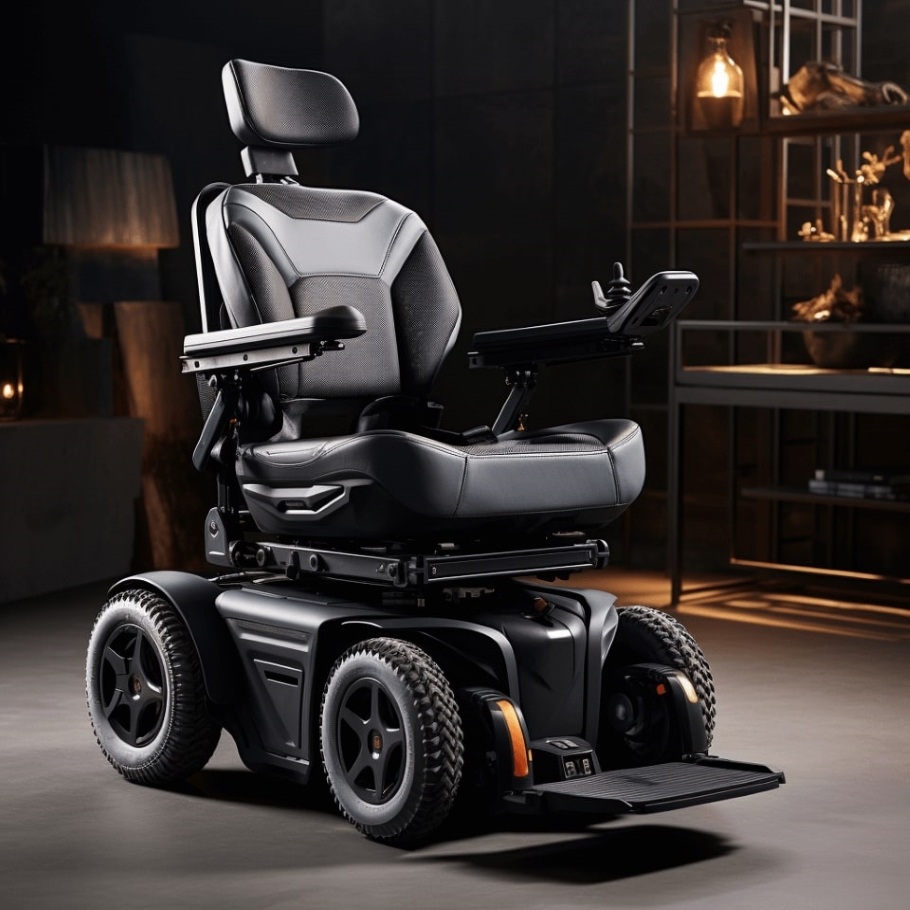
- 2 - The designs use a matte black and dark gray body with Amazon's signature orange accents on rims, trim, and controls. The look leans toward a sporty, automotive aesthetic.
- 3 - This page is part of a multi-page series covering speculative wheelchair designs from many well known brands. It sits alongside concepts for Apple, Tesla, BMW, Ferrari, and others.
- 4 - The concepts envision integrated technology such as intuitive joystick controllers and smart sensors for navigation and obstacle detection. They also highlight adjustable upholstery and a streamlined headrest for user comfort.
Topic Definition
- Amazon Electric Wheelchair Concept
An Amazon electric wheelchair concept is a speculative design study that imagines how the technology and retail company might approach building a powered mobility chair if it applied its manufacturing scale and user feedback habits to assistive equipment. Rather than depicting a real product, the concept explores ideas such as modular components that users can swap or upgrade, lightweight materials for easier handling, a foldable frame for transport, and customizable seating tuned to individual needs. The work sits at the intersection of industrial design and disability advocacy, using recognizable brand cues - a black and gray body with orange accents - to spark practical conversations about what mobility devices could become if innovation came from outside the traditional medical equipment field.
Overview
Amazon Electric Wheelchair Concepts
These are speculative design ideas based on general observations of Amazon's approach. The actual design of an electric Amazon wheelchair would require careful consideration, collaboration with experts, and input from the disability community to ensure it meets the diverse needs of wheelchair users.
NOTE: This is a multi-page series showing various speculative electric wheelchair designs. The cover page with links to other brand designs can be found at Electric Wheelchair Concept Designs.
If Amazon Were to Design Electric Wheelchairs
An Amazon-designed wheelchair might prioritize user feedback and incorporate features that address the specific needs and preferences of wheelchair users.
A wheelchair designed by Amazon could very well explore modular designs that allow users to customize and upgrade their wheelchairs based on their changing needs. This could include interchangeable components, customizable seating options, or the ability to add accessories and attachments. Below are two possible design ideas that an Amazon designed electric wheelchair may look like.
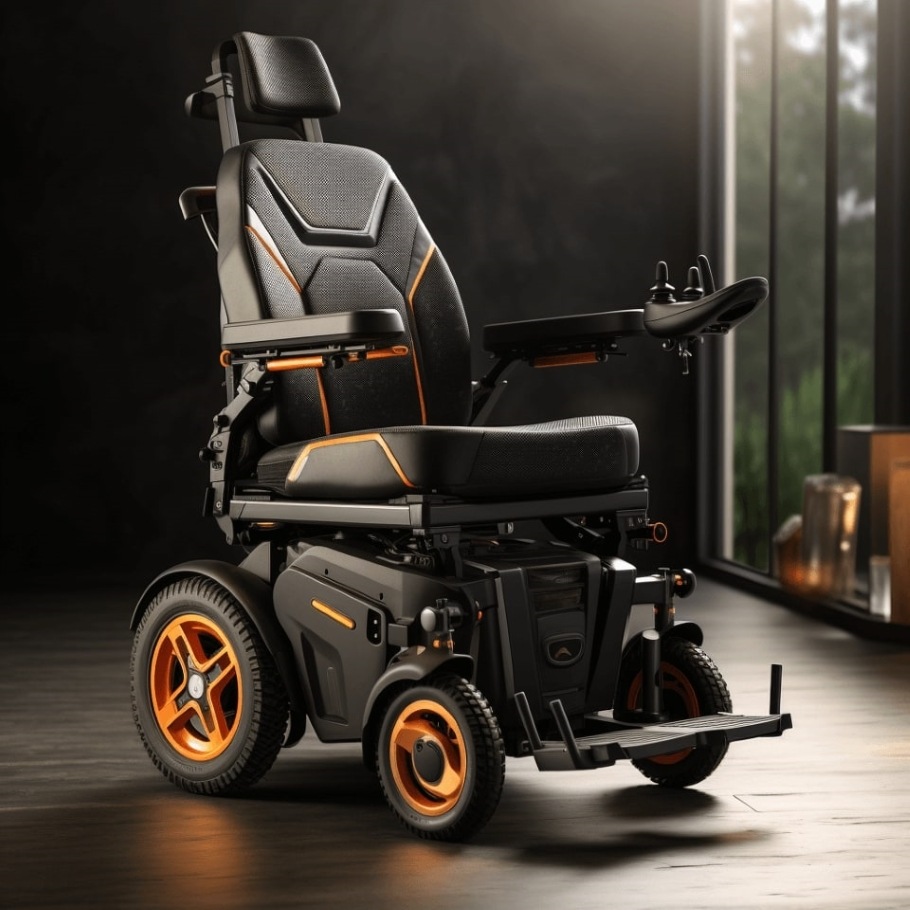
An Amazon-designed electric wheelchair might also incorporate new lightweight materials for easier maneuverability, a foldable design for portability, and user-friendly mechanisms for adjusting positions or disassembling parts.
View Other Electric Wheelchair Design Concepts
Important Context
The pictured wheelchairs are not real products nor has anyone worked with any brands to create these concepts. These images were created using a 3rd party AI platform, as well as a professional designer. These are speculative ideas only.
Original concept images and design ideas are used with permission courtesy of Patient Handling Australia's leaders in patient lifting, mobility, rehabilitation and disability equipment.
Frequently Asked Questions
Is the Amazon electric wheelchair a product you can buy
No, it is not a real product and cannot be purchased anywhere. Amazon has not entered the wheelchair market, and these are speculative concept ideas only.
Does Amazon actually make mobility devices
As of this article Amazon does not manufacture wheelchairs or powered mobility devices. The concept simply imagines how the company might approach the category.
Who created the concept images shown on this page
The images were created using a third party AI platform along with a professional designer. They are used with permission courtesy of Patient Handling Australia.
What is a modular wheelchair design
A modular wheelchair uses interchangeable parts that can be swapped, added, or upgraded over time. This lets users adapt the chair as their needs or preferences change.
Why do the concepts use black gray and orange colors
The palette references Amazon's recognizable branding, which pairs dark tones with a bright orange accent. Using familiar brand cues helps the concept feel tied to the company.
What features would set a tech company wheelchair apart
The concepts suggest integrated technology like smart sensors, obstacle detection, and intuitive controls. These reflect strengths that technology firms could bring to mobility design.
Are foldable electric wheelchairs available from other makers
Yes, several established manufacturers already offer foldable powered wheelchairs for travel and storage. The concept applies that same portability idea to an Amazon style design.
Where can I see wheelchair concepts for other brands
This page belongs to a larger series featuring speculative designs from many brands. A cover article links to concepts for companies such as Apple, Tesla, and BMW.
Insights, Analysis, and Developments
Editorial Note: The wheelchair industry has long operated within relatively traditional design parameters, but imagining how companies known for innovation and user-centric design might approach mobility aids opens up valuable conversations about what's possible in assistive technology. While Amazon hasn't entered the wheelchair market, the speculative features outlined here - modularity, customization, and lightweight portability - reflect real needs expressed by wheelchair users across online communities and advocacy groups. Whether these concepts ever materialize or not, they underscore an important point: the next breakthrough in mobility technology could just as easily come from outside the traditional medical equipment sphere as from within it, particularly if tech companies choose to bring their manufacturing expertise and user feedback systems to bear on accessibility challenges.
 Author Credentials: Ian C. Langtree is a writer, editor, and the founder and Editor-in-Chief of Disabled World, which he established in 2004 as one of the longest-running independent resources for disability news and information. Over more than two decades, he has written and edited thousands of articles on disability rights, health, accessibility, and assistive technology. Drawing on a global perspective shaped by extensive travel and lived experience, Ian is a committed advocate of the Social Model of Disability, the framework developed by disabled activists in the 1970s that focuses on removing societal barriers rather than on individual impairments. His writing is grounded in that framework and in a lasting commitment to disability rights, accessibility, and social inclusion. To learn more about Ian's background, expertise, and accomplishments, visit his full biography.