Homeopathy: Overview of Homeopathic Medicine
Author: Disabled World (DW)
Updated/Revised Date: 2026/05/30
Contents: Synopsis - Definition - Introduction - Main - Publications - Subtopics
Synopsis: Information on Homeopathy, an alternative healing medicine or remedy Homeopathy is the second most widely used system of medicine in the world.
At a Glance
- 1 - Hahnemann developed his ideas after experimenting with cinchona bark used to treat malaria, finding that ingesting it produced symptoms similar to the disease itself.
- 2 - Homeopathic remedies rest on three core principles - like cures like, the minimal dose, and the single remedy - and are usually diluted until no molecules of the original substance remain.
- 3 - In 1938 the U.S. Congress passed a law placing homeopathic remedies under FDA regulation in the same way as nonprescription, over-the-counter drugs.
- Topic Definition: Homeopathy
Homeopathy is a system of alternative medicine built on the idea that a substance capable of causing certain symptoms in a healthy person can, in very small doses, be used to treat an ill person showing those same symptoms - a principle often summed up as "like cures like." It was founded by the German physician Samuel Hahnemann in the late 1700s, who arrived at the concept after noticing that cinchona bark, then used against malaria, produced malaria-like effects when he took it himself. Practitioners choose remedies through a detailed consultation that weighs both the physical and the psychological state of the patient, working from the premise that a person's vital force, or self-healing response, can be stimulated back into balance. Remedies are typically drawn from plants, minerals, or animal sources and are prepared through repeated dilution and shaking, often to the point where little or none of the original material remains. It is worth noting that the scientific and medical consensus regards homeopathy as a pseudoscience, with major reviews finding no reliable evidence that it works better than a placebo for any condition, which is why it remains controversial and is regulated differently from country to country.
Introduction
What is Homeopathy?
Homeopathy (home-ee-AH-pah-thy) is a form of alternative medicine based upon principles first defined by Samuel Hahnemann in 1796. A central thesis of homeopathy - also known as homeopathic medicine - is that an ill person can be treated using a substance that can produce, in a healthy person, symptoms similar to those of the illness. The term homeopathy comes from the Greek words homeo, meaning similar, and pathos, meaning suffering or disease. Contrary to popular belief, "homeopathy" is not the same as herbal medicine.
Hahnemann observed from his experiments with cinchona bark, used as a treatment for malaria, that the effects he experienced from ingesting the bark were similar to the symptoms of malaria. He therefore reasoned that cure proceeds through similarity, and that treatments must be able to produce symptoms in healthy individuals similar to those of the disease being treated.
Main Content
Homeopathy is said to be the second most widely used system of medicine in the world. Its growth in popularity in the United States has been around 25 to 50 percent a year throughout the last decade. Practitioners select treatments according to a patient consultation that explores the physical and psychological state of the patient, both of which are considered important to selecting the remedy.
In homeopathy, a key premise is that every person has energy called a vital force or self-healing response. When this energy is disrupted or imbalanced, health problems develop. Homeopathy aims to stimulate the body's own healing responses.
"Remedy" is a technical term used in homeopathy to refer to a substance prepared with a particular procedure and intended for treating patients. Most homeopathic remedies are derived from natural substances that come from plants, minerals, or animals. Homeopathic remedies (also called homeopathics) are a system of medicine based on three principles:
- Like cures like
- Minimal Dose
- The Single Remedy
Persons using homeopathy do so to address a range of health concerns, from wellness and prevention to treatment of injuries, diseases, and conditions. Studies have found that many people who seek homeopathic care seek it for help with a chronic medical condition. Many users of homeopathy treat themselves with homeopathic products.
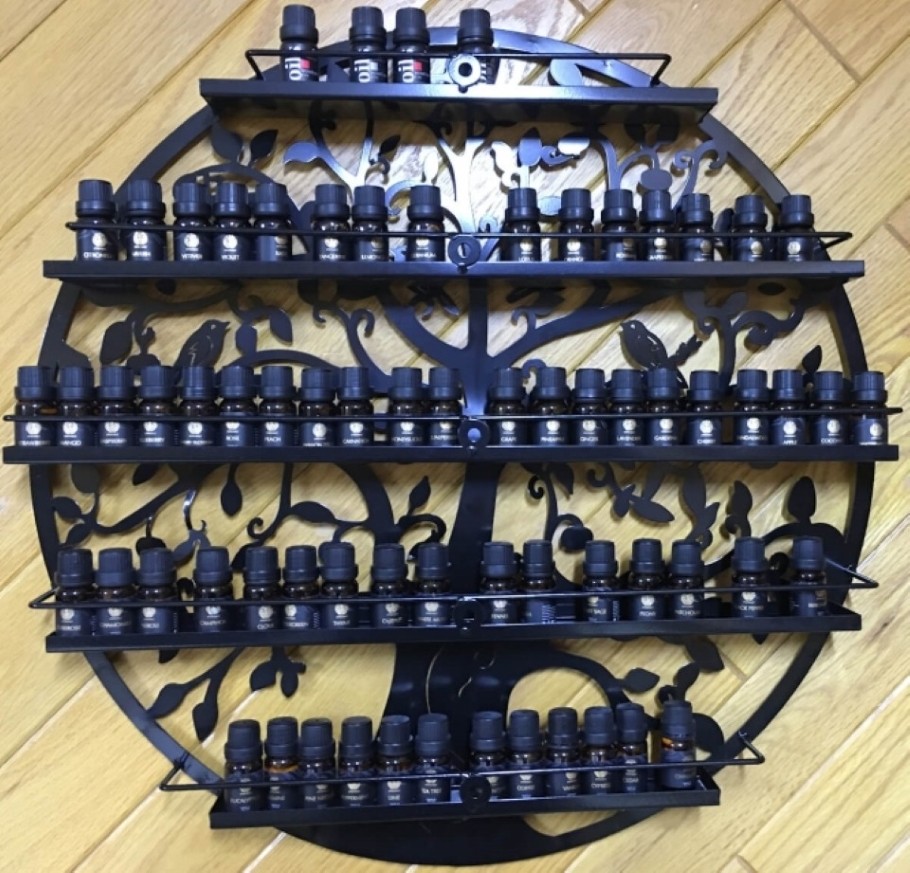
Criticism of Homeopathic Medicine
Homeopathy is considered a pseudoscience. It is not effective for any condition, and no remedy has been proven to be more effective than placebo.
The extremely high dilutions in homeopathy have been a main point of criticism. Homeopaths believe that the methodical dilution of a substance, beginning with a 10% or lower solution and working downward, with shaking after each dilution, produces a therapeutically active "remedy", in contrast to therapeutically inert water. However, homeopathic remedies are usually diluted to the point where there are no molecules from the original solution left in a dose of the final remedy.
Certain homeopathic products (called "nosodes" or "homeopathic immunizations") have been promoted by some as substitutes for conventional immunizations, but the U.S. Centers for Disease Control and Prevention says there's no credible scientific evidence to support such claims.
The results of individual, controlled clinical trials of homeopathy have been contradictory. In some trials, homeopathy appeared to be no more helpful than a placebo; in other studies, some benefits were seen that the researchers believed were greater than one would expect from a placebo.
Homeopathy Regulations
Regulations vary in Europe depending on the country. In some countries, there are no specific legal regulations concerning the use of homeopathy, while in others, licenses, or degrees in conventional medicine from accredited universities are required.
In 1938 The U.S. Congress passed a law declaring that homeopathic remedies are to be regulated by the FDA in the same manner as nonprescription, over-the-counter (OTC) drugs, which means that they can be purchased without a physician's prescription.
In 2016, the U.S. Federal Trade Commission (FTC) announced it will hold efficacy and safety claims for over-the-counter homeopathic drugs to the same standard as those for other products making similar claims. It further stated that companies must have the competent and reliable scientific evidence the FTC requires for health-related claims, including claims that a product can treat specific conditions.
In December 2017, the U.S. Food and Drug Administration (FDA) proposed a new risk-based enforcement approach to homeopathic products. The proposed approach would call for more scrutiny of products with the greatest potential for risk, including:
- Those for vulnerable populations.
- Those with reported safety concerns.
- Those that are not taken by mouth or rubbed on skin.
- Those that do not meet legal standards for quality, strength, or purity.
- Those intended to be used for preventing or treating serious or life-threatening diseases and conditions.
As homeopathic remedies usually contain only water or alcohol, they are thought to be generally safe. Only in rare cases are the original ingredients present at detectable levels.
Facts and Statistics
- The term "homeopathy" was coined by Hahnemann and first appeared in print in 1807.
- The law of similar states that whatever would cause your symptoms, will also cure those same symptoms.
- Homeopathic products are regulated as a class of drugs under the Federal Food, Drug, and Cosmetic Act (FDCA).
- Do not use homeopathy to replace proven conventional care or to postpone seeing a health care provider about a medical problem.
- Despite being rooted in superstition, ritual and sympathetic magic, the laws devised by Hahnemann are still in use by homeopaths today.
- Women who are pregnant or nursing, or people who are thinking of using homeopathy for a child, should consult their (or their child's) health care providers.
- Homeopathy is included in the national health systems of a number of countries e.g. Brazil, Chile, India, Mexico, Pakistan, Switzerland.
- Homeopathic products are usually made from plants or minerals. A few are made with substances from animals or human tissue or secretions. They may be pellets, tablets, granules, liquids, gels, or creams.
- Homeopaths claim that Hippocrates may have originated homeopathy around 400 BC, when he prescribed a small dose of mandrake root to treat mania, knowing it produces mania in much larger doses.
- Laws regulating the practice of homeopathy in the United States vary from state to state. To legally practice homeopathy, individuals usually must be licensed to practice medicine or another health care profession.
- A 2015 comprehensive assessment of evidence by the Australian government's National Health and Medical Research Council concluded that there is no reliable evidence that homeopathy is effective for any health condition.