Ginger: Facts, Health Benefits, Growing at Home
Author: Ian C. Langtree - Writer/Editor for Disabled World (DW)
Published: 21 Dec 2017 - Updated: 1 May 2023
Table of Contents:
Synopsis - Overview - Related Content
Synopsis
Interesting facts about ginger, now known as one of the superfoods, and the myriad of health benefits of eating ginger raw or as a garnish in cooking.
Overview
What is Ginger?
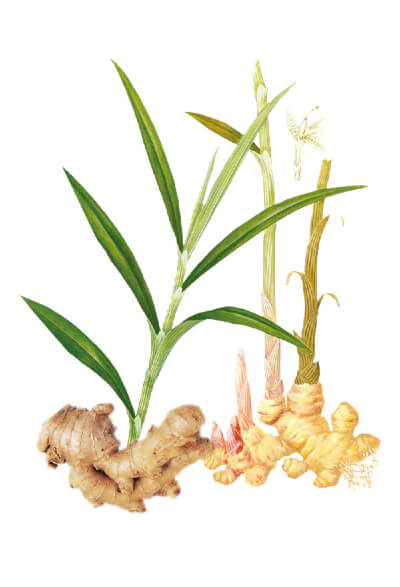
Ginger is the common name for Zingiber Officinale, which was originally cultivated in China and is now equally spread around the world. Ginger is a herb but is often known as a spice, with a strong, distinct flavor that can increase saliva production. The part that is used as a spice on the plant itself is the rhizomes or ginger root. This ginger root is traditionally used with sweet foods in Western cuisine, being included in popular recipes such as ginger ale, ginger snaps, gingerbread, ginger biscuits, and ginger cake. It is also used in many countries as a medicinal ingredient which many believe in. Some say it can help cure diabetes, headaches, colds, fatigue, nausea, and the flu when used in tea or food.
Is Ginger Good for You?
For over 2 thousand years, Chinese medicine has recommended using ginger to help cure and prevent several health problems. It promotes energy circulation while positively increasing the body's metabolic rate.
List of medicinal properties ginger has been known to have throughout history.
- antiemetic/antinausea
- anticlotting agent
- antispasmodic
- antifungal
- anti inflammatory
- antiseptic
- antibacterial
- antiviral
- antitussive
- analgesic
- circulatory stimulant
- carminative
- expectorant
- hypotensive
- increases blood flow
- promotes sweating
- relaxes peripheral blood vessels
- Ginger is good for your health and has been said by some to be a plant directly from the Garden of Eden. It is also said that consuming Ginger before a plane flight can prevent motion sickness. It can make good tea, or you can use it as a spicy addition to almost any recipe.

Ginger Facts
- The ginger root is not a root but a rhizome.
- The major producers of Ginger today are China and tropical/subtropical places in Asia, Brazil, Jamaica, and Nigeria.
- The health benefits of honey and ginger in treating respiratory problems are unmatched by any other concoction.
- The ginger plant is approximately 30 - 60 cm tall and extremely rare in the wild.
- The ancient Romans widely used ginger, and it was a costly spice, one pound of ginger was equivalent to the price of a whole sheep.
- Ginger almost became lost in history after the fall of the Roman empire but became popular again when Europe rediscovered it.
- Ginger has influenced the history of man since ancient China. Wars were waged, and entire dynasties rose and fell, intending to seize it.
- The trade of such spices was the root of the world's economy for centuries.
- Even today, Ginger is one of the most important spices worldwide.
Ginger for Health
Ginger has a wide variety of effects on the human body and is known to be effective for the treatment of cataracts, amenorrhea, heart disease, migraines, stroke, angina, athlete's foot, colds, bursitis, chronic fatigue, tendinitis, flu, coughs, depression, dizziness, fever, erectile difficulties, infertility, kidney stones, Raynaud's disease, sciatica, and viral infections.
Home Remedies using Ginger
- Ginger has many uses in the home remedies department and can help with arthritis, diarrhea, flu, headache, heart and menstrual problems, diabetes, stomach upset, and motion sickness.
- Muscle Strains - Apply warm ginger paste with turmeric to the affected area twice daily.
- Sore Throat - Boil some water and add a dash of cinnamon, a little piece of ginger, 1 tsp honey, and drink.
- For a persistent cough - Take a half teaspoonful of ginger powder, a pinch of clove with a pinch of cinnamon powder, and honey in a cup of boiled water and drink it as tea.
- Asthma - A teaspoon of fresh ginger juice mixed with a cup of fenugreek decoction and honey to taste is an excellent expectorant in treating asthma.
- Headaches - Dilute a paste of ginger powder, about 1/2 a teaspoon, with water and apply to your forehead.
- Colds - Boil a teaspoonful of ginger powder in one quart of water and inhale the steam - it helps alleviate colds.
- Ginger Compress - This method stimulates blood and body fluid circulation and helps loosen and dissolve toxic matter, e.g., cysts and tumors. Place a handful of coarsely grated ginger in a cloth and squeeze the ginger juice into a pot containing 4 liters of hot water (do not boil the water). Dip a towel into the ginger water and wring it out. Apply very hot to the affected area.
- Diabetes - Some doctors recommend drinking ginger in water first thing in the morning to help regulate your glucose level.
- Ginger Tea - Make with fresh ginger root. Grate a small piece of ginger, about the size of a nickel, into a mug. Add the juice of half a lemon. Fill the mug with boiling water. Stir in a teaspoon of organic honey.
- For relief of nausea - Ginger is generally taken in doses of 200 mg every 4 hours.
- For relief of flatulence - Ginger is generally taken in doses of 250 to 500 mg 2 to 3 times a day.
Growing Ginger at Home
Ginger is a tropical plant that you can easily grow and does not require much expert knowledge. You start with a piece of fresh root ginger (actually the rhizome of the plant), which you can buy at any supermarket.
Ginger is cultivated all year round and can be cultivated approximately 3 - 5 months after planting.
Ginger is easy to grow and can be grown indoors or outside in pots filled with rich, well-draining soil. Allow enough room in the pots, about 10 to 12 inches deep, for the actual ginger roots to form - ginger roots grow horizontally across.
Plant in early spring if possible. If you live in a warmer climate, you can plant anytime. Slice off the fingers, ensuring each rhizome piece is 1 to 2 inches long with at least one bud. Buy fresh ginger roots at a local grocery store or Asian market. Choose a smooth, shiny-looking root that has some buds beginning to form.
For short growing seasons, ginger should be started indoors and transferred outside when temperatures reach at least 70° F. Soil temperatures should be greater than 68° F before planting or transplanting ginger plants. The ideal temperature when planting is about 77° F. Many tropical gingers prefer full sun but will tolerate light or dappled shade.
Soak the roots you bought in some warm water overnight.
The following day, plant them in the pot(s) just beneath the soil level. Water well.
Once the ginger has grown, feed every two to three weeks with a general pot-plant feed.
A mature ginger plant will grow two to four feet tall. Stems and leaves may reach up to a foot long and resemble those of a lily.
Harvest ginger roots after the rhizome has grown for three to four months.
Harvested ginger roots can either be stored in a dry cupboard or refrigerated for later use.
 Author Credentials: Ian is the founder and Editor-in-Chief of Disabled World, a leading resource for news and information on disability issues. With a global perspective shaped by years of travel and lived experience, Ian is a committed proponent of the Social Model of Disability-a transformative framework developed by disabled activists in the 1970s that emphasizes dismantling societal barriers rather than focusing solely on individual impairments. His work reflects a deep commitment to disability rights, accessibility, and social inclusion. To learn more about Ian's background, expertise, and accomplishments, visit his full biography.