Pyrographer With Usher Syndrome Wins Rare Artist Award
Author: Krista Webb
Published: 18 Feb 2026 - Updated: 11 Sep 2026
Publication Type: Submitted Article
Table of Contents:
Synopsis - Definition - Overview - FAQs - Insights, Updates - Related Content
Synopsis
This article covers the inspiring and newsworthy story of Texas-based pyrographer Krista Webb, who lives with Usher syndrome - a rare genetic condition causing progressive combined hearing and vision loss - and has been selected as one of 10 national awardees in the EveryLife Foundation for Rare Diseases' Rare Artist contest, making it a compelling resource for anyone interested in rare disease advocacy, adaptive arts, disability awareness, or pyrography, as it highlights how artists with dual sensory disabilities continue to create and achieve recognition at the national level, with Krista Webb's award-winning wood burning work set to be displayed during Rare Disease Week on Capitol Hill before legislators and policymakers, offering meaningful visibility for the broader rare disease community's push for expanded research funding and improved healthcare access.*
At a Glance
- 1 - Usher syndrome affects roughly 4 per 100,000 people. It causes combined hearing loss and vision loss linked to Retinitis Pigmentosa.
- 2 - Webb was chosen from submissions representing over 10,000 rare diseases. She is one of only 10 national awardees in the contest.
- 3 - The Rare Artist contest is run by the EveryLife Foundation for Rare Diseases. It honors creativity and resilience among people navigating rare conditions.
- 4 - Her winning work will be displayed during Rare Disease Week on Capitol Hill. Legislators and policymakers will view the art as part of advocacy for research funding.
Topic Definition
- Pyrography
Pyrography is the art of decorating wood, leather, or other natural materials by burning designs onto the surface with a heated tool or open flame, with the word itself rooted in the Greek words for fire and writing. Practiced for centuries across many cultures, it ranges from simple freehand scorching to extraordinarily detailed portraiture and landscape work, with the artist controlling depth, shading, and texture entirely through heat, pressure, and timing - variables that demand a steady hand and a trained eye, and that leave no real margin for error once the tool meets the surface.
Overview
Pyrographer Krista Webb Named Awardee in National Rare Artist Contest Despite Dual Sensory Loss
Texas resident overcomes Usher syndrome challenges to create award-winning pyrography art.
Krista Webb living with Usher syndrome, has been selected as an awardee in the EveryLife Foundation for Rare Diseases' national Rare Artist contest. Her pyrography work demonstrates remarkable artistic achievement despite progressive vision and hearing loss caused by the rare genetic condition.
Usher syndrome affects approximately 4 per 100,000 people and causes dual sensory loss through combined hearing loss and vision loss with Retinitis Pigmentosa. Krista Webb's pyrography - the art of drawing with fire on wood - requires exceptional precision and skill, making her achievement particularly significant.
As one of 10 national awardees selected from submissions representing over 10,000 rare diseases, Krista Webb will receive sponsorship to attend the EveryLife Foundation's Rare Disease Week on Capitol Hill, where her work will be displayed to advocates, legislators, and policymakers.
The Rare Artist contest celebrates individuals who demonstrate creativity and resilience while navigating rare disease challenges. Krista Webb's recognition brings attention to both Usher syndrome and the broader rare disease community's need for increased research funding and healthcare access.
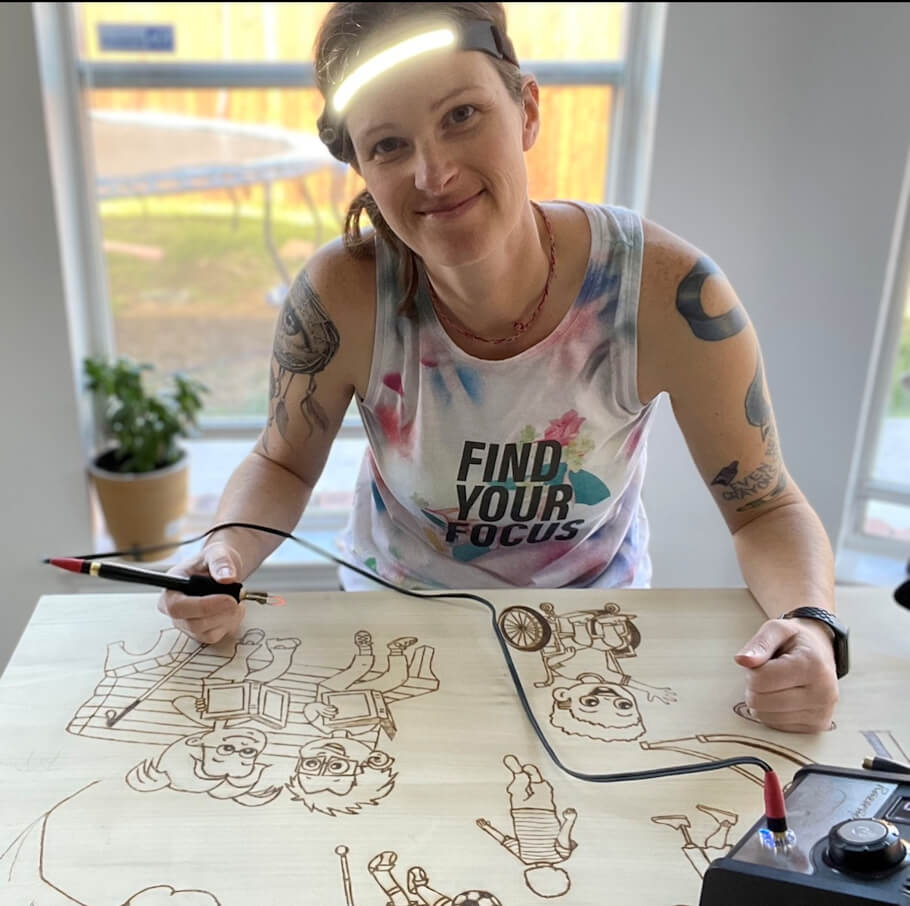
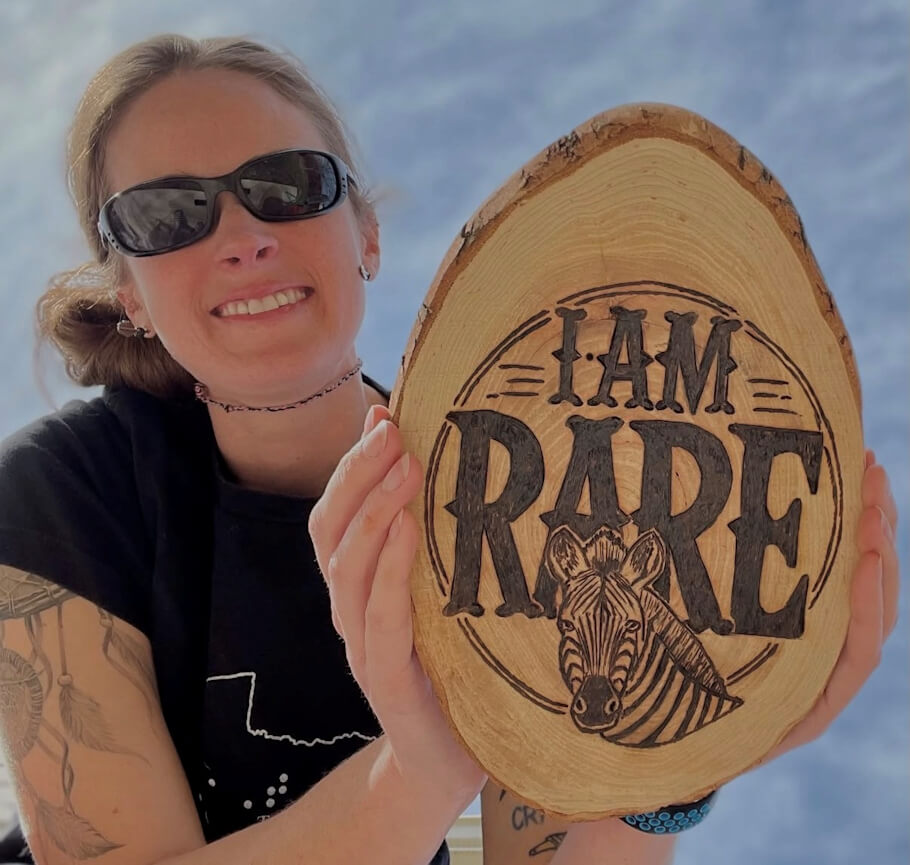
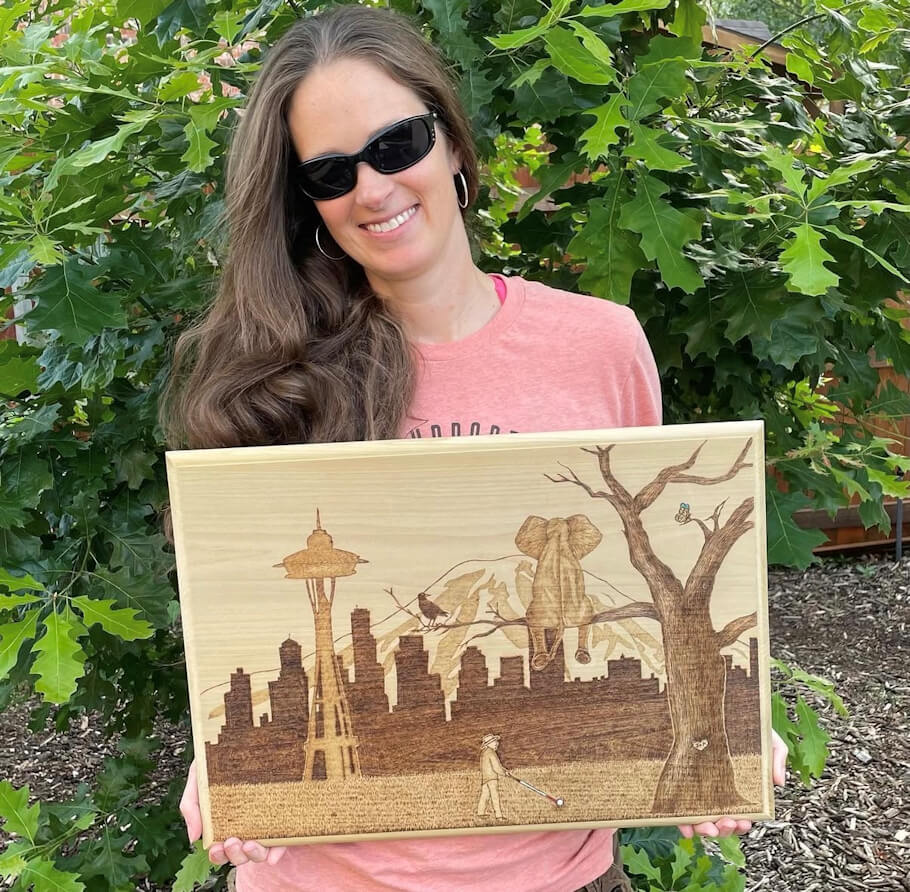
Follow Krista Webb's advocacy and wood burning art at blindlove woodburning on Instagram.
Frequently Asked Questions
NOTE: Researched FAQs by Disabled World (DW)
What is Usher syndrome
Usher syndrome is a rare inherited disorder that combines hearing loss with progressive vision loss, often tied to Retinitis Pigmentosa. It affects both senses over time and has no known cure at present.
How do artists with vision loss create pyrography
Many use adaptive tools such as headlamps, magnification, high contrast setups, and careful tactile guidance to place each burn. They rely on trained muscle memory and controlled tool movement to work with precision.
Where can I see Krista Webb wood burning art online
Her work is shared publicly on Instagram under the handle blindlove woodburning. The account features her pyrography pieces and her rare disease advocacy.
What is Rare Disease Week on Capitol Hill
It is an annual gathering in Washington where advocates, patients, and families meet with lawmakers. The event raises awareness and pushes for stronger research funding and healthcare access.
What materials can be used for pyrography besides wood
Leather, gourds, cork, and some heavy papers can all take burned designs. Each surface responds differently to heat, so artists adjust their technique for the material.
Is pyrography safe to practice at home
It can be done safely with good ventilation, a heat resistant work surface, and protective habits. Beginners should avoid burning treated or painted wood, which can release harmful fumes.
How many people are affected by rare diseases in the United States
Rare diseases collectively touch the lives of roughly 30 million Americans. Thousands of distinct conditions fall under the rare disease umbrella.
What tools does a beginner pyrographer need to start
A basic wood burning pen with interchangeable tips and a few pieces of untreated softwood are enough to begin. Sandpaper, a pencil for sketching, and a safety stand round out a starter kit.
Insights, Analysis, and Developments
Editorial Note: Krista Webb's recognition in the EveryLife Foundation's Rare Artist contest is more than a personal milestone - it is a pointed reminder that the rare disease community, which touches the lives of roughly 30 million Americans, continues to produce voices and talents that deserve a seat at the table in Washington, and that art, in its many forms, remains one of the most direct paths to humanizing policy conversations that can otherwise feel abstract and distant.*
* Editorial additions by Ian C. Langtree.