Parenting a Child With Autism: A Family Gratitude Story
Author: Tsara Shelton
Published: 20 Nov 2025 - Updated: 14 Sep 2026
Publication Type: Submitted Article
Table of Contents:
Synopsis - Definition - Overview - FAQs - Insights, Updates - Related Content
Synopsis
This personal essay offers authentic insight into parenting a child with autism and sensory processing differences, written by Tsara Shelton, daughter of renowned brain change specialist Dr. Lynette Louise and author of works on autism and disability. The narrative holds particular value for families navigating similar experiences because it presents practical strategies - repeated exposure to social situations, gentle encouragement rather than pressure, and creating safe spaces at home - while demonstrating how intergenerational knowledge about autism can shape positive outcomes. Rather than framing autism as something to fix, Shelton presents her son Declyn's development from a sensory-sensitive infant to a confident teenager involved in debate and marching band, showing readers that accepting neurodivergent traits while building skills leads to genuine confidence and social connection.*
At a Glance
- 1 - Declyn now plays a trumpet solo at regional competition. He also joined the debate team and marching band.
- 2 - His gratitude note credited his great-uncle Dar with inspiring the family business. That business now helps thousands of families with autism.
- 3 - As an infant, Declyn twisted his body to avoid eye contact and certain touch. He also threw up daily and needed to wrap his fingers in his mother's hair.
- 4 - The author is the daughter of brain change specialist Dr. Lynette Louise, known as The Brain Broad. She grew up surrounded by relatives who shared similar sensory and social traits.
Topic Definition
- Parenting a Child With Autism
Parenting a child with autism means raising a young person whose brain processes sensory input, social cues, and communication in ways that differ from typical development, and it calls for a blend of patience, observation, and steady encouragement rather than pressure. In practice it often looks like meeting a child where they are - honoring their need for personal space or repetitive comfort while gently and repeatedly inviting them into new experiences at a pace they can manage. Families who approach it this way tend to celebrate small steps, build safe and predictable spaces at home, and treat neurodivergent traits as part of who the child is rather than a problem to erase. The goal is not to make the child appear typical but to help them grow into their own confidence, so they can form genuine connections and thrive on their own terms.
Overview
Thankful for Uncle Dar
"I am thankful for my uncle (Dar) because without him my grandma wouldn't have started her business that helps thousands of families with autism in the world."~Declyn Shelton
When my youngest son, Declyn, was about five months old he would twist his body in crazy positions to avoid eye contact and certain types of touch.
As he grew he would throw-up daily, hold me tight for at least an hour at the playground working up the courage to play where strangers played (even though his brothers invited and invited), he had a need to wrap his fingers in my hair that kept him forever in my arms. He and his other sensory and socially challenged brother became intense friends, with a closeness that made them seem like twins.
This never frightened or worried me. I have grown up surrounded and gifted by autism. I have family members with similar sensory, social, and communication challenges. Because my mom has not only helped my brothers in these areas but also hundreds of others around the world, my son and I were in good hands. It was a simple question of enjoying the work. Which I strongly believe meant helping my son with his challenges while asking the world to be more open to diversity. It's not his job to be like us, it's our job to shift ourselves and learn to like all of us.
As a family we encouraged eye contact, discovered ways to help him keep his food down (mostly!), visited playgrounds intentionally over and over - not pushing him to become socially comfortable but believing he could and celebrating each step of the way - until he became Mr. Popularity. His need for wrapping fingers in my ponytail had lessened; became mostly a bedtime thing with the odd stressful-day type need thrown in for good measure.
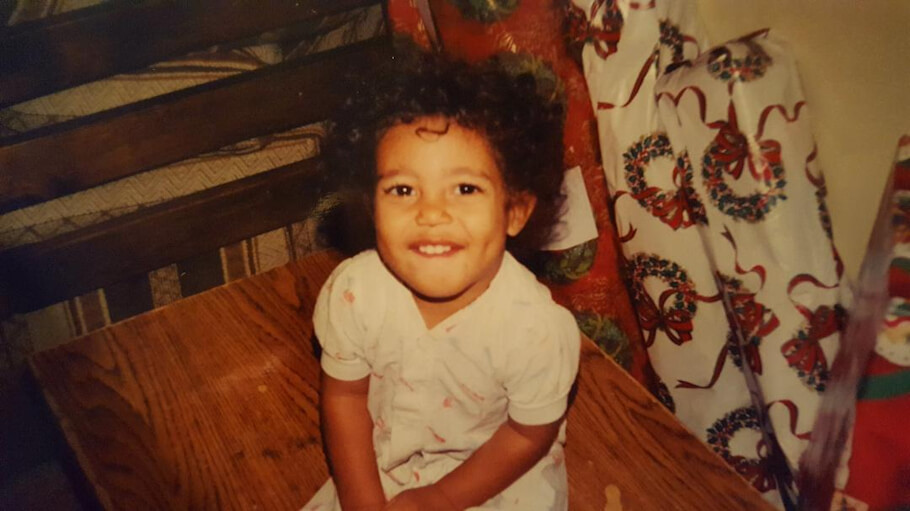
Declyn is now involved in Marching Band, he's doing a trumpet solo for the regional competition, he's on the debate team, he's rarely home and consistently surrounded by people which he's quite comfortable with. Safe in the knowledge that when he comes home we'll allow him time alone and personal space. And I'll let him play with my hair when he needs it.
Declyn is fifteen. He is my youngest. My baby. I kind of want him to stay little and I even catch myself getting my hair wet for him (he loves it when my hair is wet) just in case he wants to still need me. Usually, he's busy.
I'm so proud of all four of my boys, who have helped each other, hurt each other, compared themselves to each other, pushed away, pulled close, but have always, always loved each other.
I'm thankful for my entire family.
I find it simple and natural to feel and express gratitude often, and with volume. My sons do the same, mostly when talking about each other or me.
One day while I was cleaning our house (okay, fine, moving mess around because I was trying to find something) I found a piece of schoolwork Declyn had done way back in his younger years, when he was still struggling pretty strongly with sensory issues and social challenges.
"I am thankful for my uncle (Dar) because without him my grandma wouldn't have started her business that helps thousands of families with autism in the world."~Declyn Shelton
That heaping helping of gratitude and gratefulness is a delicious addition to the holiday season!
Enjoy.
Frequently Asked Questions
NOTE: Researched FAQs by Disabled World (DW)
What are common early signs of autism in infants and toddlers
Early signs can include avoiding eye contact, resisting certain kinds of touch, delayed speech, repetitive movements, and strong reactions to sounds, textures, or changes in routine. Signs vary widely from child to child, so a developmental evaluation by a qualified professional is the best way to understand an individual child.
What is sensory processing and how does it relate to autism
Sensory processing is how the brain receives and responds to input like sound, light, touch, taste, and movement. Many autistic people experience this input more or less intensely than others, which can shape how they interact with everyday environments.
How can parents encourage social skills without pressuring their child
Parents can offer repeated, low pressure exposure to social settings and celebrate each small step rather than forcing participation. Following the child's pace and pairing new experiences with comfort and reassurance helps build lasting confidence.
What does neurodiversity mean
Neurodiversity is the idea that variations in how brains work, including autism, are natural parts of human diversity rather than defects. The view encourages acceptance and support instead of trying to make every person think and behave the same way.
Why is creating a safe space at home important for autistic children
A predictable and calming home gives a child a reliable place to recover from overstimulation and stress. Knowing they will have time alone and personal space can make it easier for them to take social risks elsewhere.
Can autistic children develop strong friendships and confidence
Yes, many autistic children build meaningful friendships and genuine confidence when they are supported and accepted for who they are. Consistent encouragement and acceptance often help them connect with peers over shared interests.
How does family history influence a child's experience with autism
Autism has a strong genetic component, so traits often appear across multiple family members and generations. Families with prior experience can pass down practical strategies and understanding that support a younger child.
What is applied brain change or neurofeedback in the context of autism
Brain change approaches aim to help the brain function more flexibly through targeted training, play, and feedback methods. Families interested in these approaches should consult qualified professionals to find methods suited to their child.
Insights, Analysis, and Developments
Editorial Note: What makes this account particularly resonant is how it sidesteps the usual narratives about autism to focus on something more fundamental: the way families pass down both genetic traits and hard-won wisdom across generations. Declyn's handwritten note of gratitude for his great-uncle Dar - whose own autism led his mother to build a career helping thousands of families - reveals a child who understands that his differences connect him to a larger story of advocacy and acceptance. In a world that often asks neurodivergent people to contort themselves into uncomfortable shapes, this family chose a different path, asking instead that the world make room for all the ways a person can be. The result is a teenager who knows he's loved exactly as he is, even when his mother still secretly hopes he'll ask to play with her hair one more time.*
 Author Credentials: Tsara Shelton, author of Spinning in Circles and Learning From Myself, is a contributing editor to Disabled World. She is also the oldest daughter of international brain change and behavior expert Dr. Lynette Louise ("The Brain Broad"). Explore Tsara's complete biography for comprehensive insights into her background, expertise, and accomplishments.
* Editorial additions by Ian C. Langtree.