Mississippi L.O.V.E. Documentary Series Honors Disability
Author: Meg Case and Brad Porter
Published: 23 Sep 2026 - Updated: 29 Sep 2026
Publication Type: Announcement
Table of Contents:
Synopsis - Definition - Overview - FAQs - Insights, Updates - Related Content
Synopsis
This information announces the launch of Mississippi L.O.V.E., an independent documentary series from New York City filmmakers Meg Case and Brad Porter that follows disabled children and adults, their families, caregivers, and the practitioners who support them across Mississippi. The project grew out of a fact-finding visit tied to a grant-funded program for nonspeaking students at Mississippi State University, then widened to include the many services operating under the Mississippi Institute on Disabilities. It matters because disability communities in the rural South rarely receive sustained media attention, and the series sets out to show everyday relationships, challenges, and support networks with dignity rather than pity. Families, caregivers, educators, and advocates looking for real examples of how community-based disability services work in practice may find the project useful, particularly as Mississippi draws national notice for its education reforms.*
At a Glance
- 1 - The official trailer runs about three minutes and is available on YouTube.
- 2 - Upcoming video features will spotlight voices from Starkville, Tupelo, and surrounding Mississippi communities.
- 3 - Dr. Mark Wildmon, whose Bridges to Speak program uses the picture exchange communication system (PECS), urged the filmmakers to look beyond his own work.
- 4 - The project began as a single feature-length film but grew into a series after the filmmakers were welcomed into the homes of families and disabled adults living independently.
Topic Definition
- Disability Documentary
A disability documentary is a nonfiction film or series that records the lives, experiences, and perspectives of people with disabilities, often alongside the families, caregivers, and professionals connected to them. At its best, the form lets disabled people tell their own stories rather than having outsiders interpret them, and it avoids both pity-driven framing and the inspiration narrative that treats ordinary life as remarkable simply because a person has a disability. Good disability documentaries pay attention to consent, accessibility features such as captions and audio description, and accurate portrayal of services, barriers, and daily routines. They can shape public understanding, influence policy discussions, and give families and viewers with disabilities recognizable, realistic representation on screen.
Overview
New Grassroots Documentary Series "Mississippi L.O.V.E." Launches to Humanize and Honor the Disability and Caregiving Community
Created by New York City filmmakers, the project highlights the overlooked stories and innovative disability services happening across Mississippi.
A new grassroots documentary project, Mississippi L.O.V.E., has officially launched its digital presence, bringing an intimate, respectful lens to a vibrant community too often left out of mainstream conversations. Created by indie filmmakers Meg Case and Brad Porter, the series focuses on the lives of people with disabilities, family members, professional practitioners, and caregivers throughout Mississippi.
The project officially debuted online this fall, releasing its full-length 3-minute trailer on YouTube alongside dedicated social media channels and an official website.
The idea for the series sparked when Meg Case and Brad Porter, independent filmmakers based in New York City, were wrapping up post-production on their last documentary film in the summer of 2025. Searching for their next project, they serendipitously heard about their uncle-in-law's grant-funded work with nonspeaking children in the public school districts of Mississippi as a faculty member in the School Psychology Program at Mississippi State University.
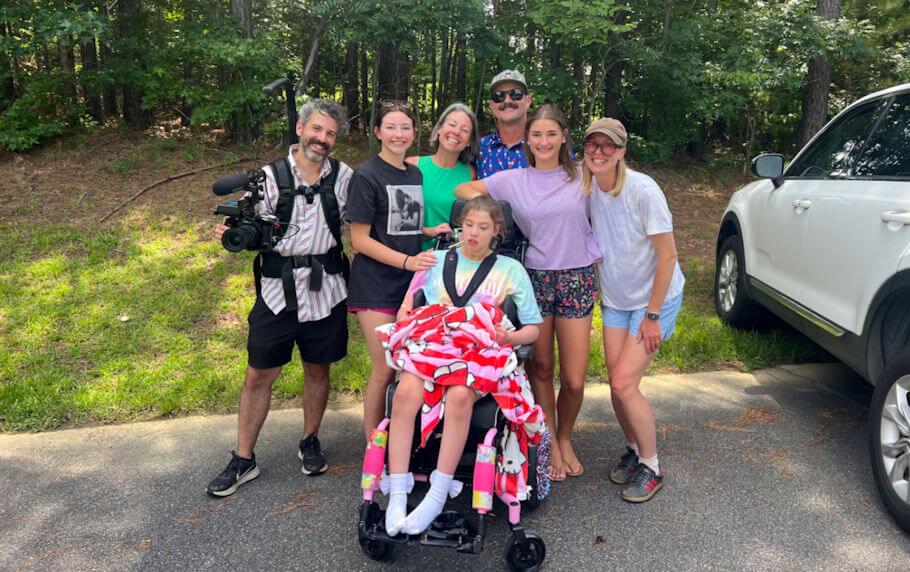
In an initial fact-finding trip down, Case and Porter arrived in Starkville, Mississippi and found themselves deeply inspired, and pleasantly surprised, by the extraordinary work taking place across the state regarding disability services, education, and community support. Their uncle-in-law, Dr. Mark Wildmon, nudged them to expand the scope of the project beyond his specific picture exchange communication system (PECS) program, titled Bridges to Speak, to witness all of the services and programs operating under the Mississippi Institute on Disabilities (MIoD) at Mississippi State University.
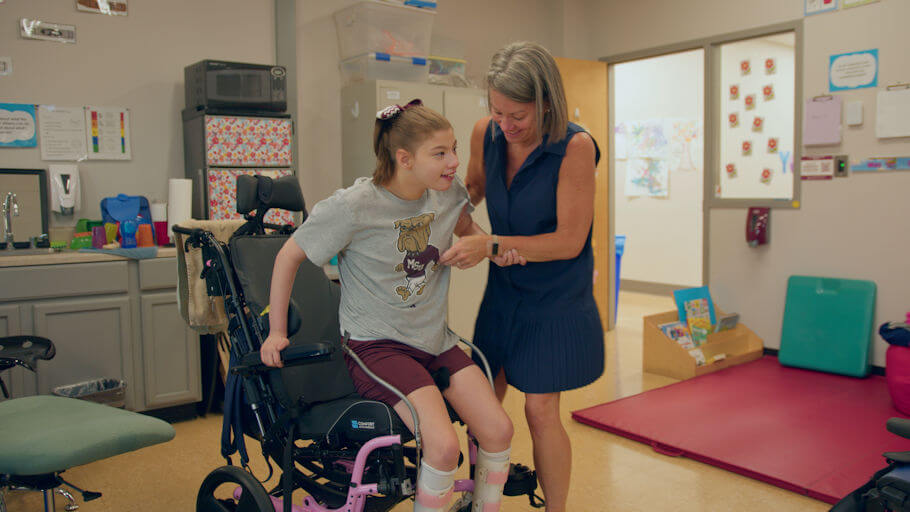
As they dug into these programs and interviewed administrators, faculty, and practitioners, the filmmakers had the opportunity to meet with the parents and families of the disabled people served through MSU. Case and Porter were generously and hospitably welcomed into the homes and lives of disabled children and adults living independently.
Seeing the full and expansive network of practitioners, caregivers, families, and disabled individuals thriving in Mississippi, the filmmakers realized that this project needed to expand from a traditional feature-length documentary film into a series which could highlight the variety of unique stories unfolding in this community. With Mississippi frequently making national headlines for educational development and reform, the creators believe this human-interest narrative offers a timely and valuable story.
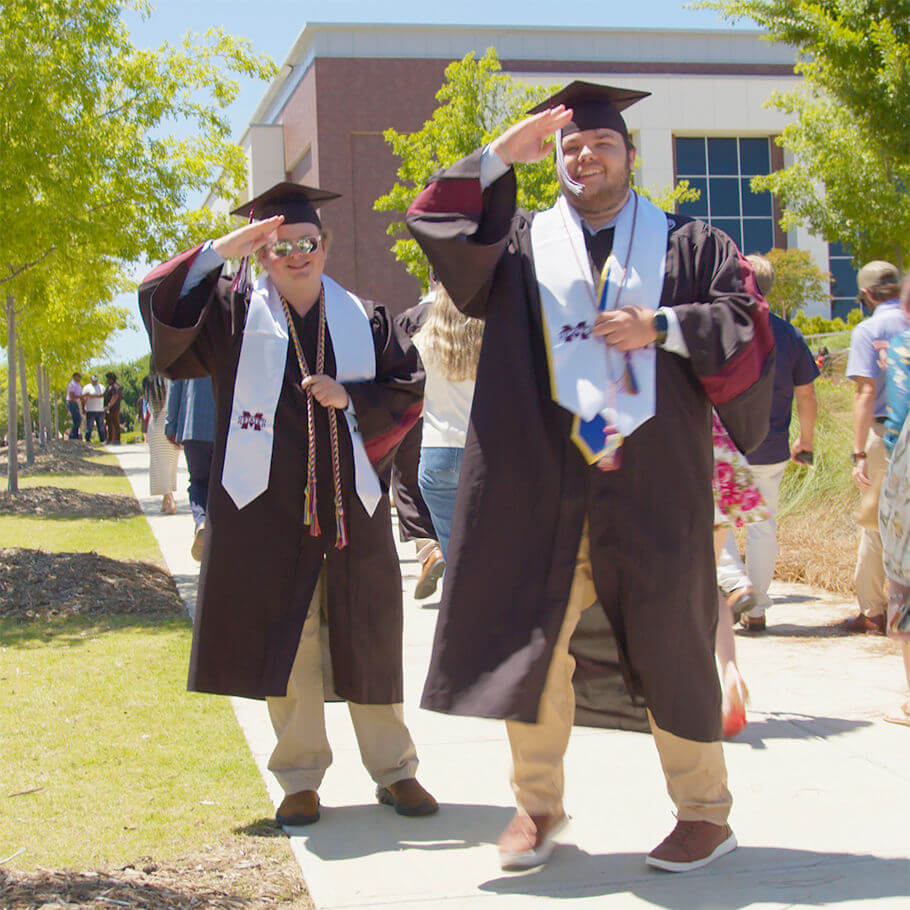
"Mississippi L.O.V.E." hopes to shine a light on the human element of what makes Mississippi's success so striking: the unique relationships, daily challenges, profound blessings, and deep-rooted love that tie these individuals together.
"Our goal is to listen to people whose experiences are too often overlooked and share their stories with dignity, honesty, and respect," said co-creator Meg Case. "As outsiders coming into Mississippi, we were struck by the robust community network and the incredible dedication we witnessed here. We want viewers to look beyond labels and see the vibrant, resilient human beings who make every single one of these stories unique."
Following the project's online launch, Case and Porter plan to roll out recurring video features spotlighting a diverse array of voices from Starkville, Tupelo, and surrounding Mississippi communities.
Advocates, allies, and anyone needing inspiration are invited to watch the trailer, follow the journey online, and engage with the project by visiting www.mississippi-love.com or find the series on YouTube, Facebook, and Instagram.
Frequently Asked Questions
NOTE: Researched FAQs by Disabled World (DW)
What is the picture exchange communication system?
The picture exchange communication system, known as PECS, is an augmentative and alternative communication method in which a person hands a picture card to a communication partner to request an item or share an idea. It was developed for autistic children and others with limited speech, and it progresses in phases from simple exchanges to building full sentences with picture strips.
Does using PECS stop a child from learning to speak?
Research has not found that PECS or other augmentative communication methods prevent speech development. Many studies suggest these tools can support spoken language by reducing frustration and giving children a reliable way to communicate while speech skills develop.
What does the term nonspeaking mean?
Nonspeaking describes a person who does not use spoken words as their main way to communicate. Many nonspeaking people understand language fully and communicate through methods such as picture systems, sign language, typing, or speech-generating devices. Many in the community prefer this term over nonverbal because it does not imply an absence of language.
What is a University Center for Excellence in Developmental Disabilities?
A University Center for Excellence in Developmental Disabilities is one of a national network of university-based programs funded by the federal Administration for Community Living. These centers provide training, research, and community services for people with developmental disabilities and their families, and every U.S. state and territory has at least one.
How can Mississippi families find disability services for a child?
Families can start with their local school district for special education evaluations under the Individuals with Disabilities Education Act, and with First Steps, the state early intervention program for children from birth to age three. University programs, the state Department of Mental Health, and parent training and information centers can also help families locate services and understand their rights.
What is the difference between a caregiver and a direct support professional?
A caregiver is often a family member or friend who provides unpaid help with daily living. A direct support professional is a trained, paid worker who assists people with intellectual and developmental disabilities with daily tasks, community participation, and personal goals, usually through an agency or state-funded program.
Why does representation of disability in documentaries matter?
Documentaries shape how the public views disability, and many past films relied on pity or presented disabled people as objects of inspiration. Accurate, respectful representation helps reduce stigma, informs policy conversations, and lets disabled viewers see their own lives reflected honestly on screen.
How can documentary makers make their films accessible to disabled viewers?
Filmmakers can add accurate closed captions, audio description for blind and low vision audiences, and transcripts for online videos. Using clear visual contrast, avoiding rapid flashing images, and hosting content on platforms that work with screen readers also helps more people access the work.
Insights, Analysis, and Developments
Editorial Note: What stands out about Mississippi L.O.V.E. is how it came about. The filmmakers did not arrive with a finished story. They went to Mississippi to look at one school-based program and found a whole network of university staff, parents, practitioners, and disabled people already doing the work. Coverage of disability in the South is usually about gaps and shortfalls, so a project that records what is working, and lets families and disabled adults speak for themselves, fills a real hole. The series will be worth watching to see whether it keeps its promise to put lived experience ahead of outside assumptions. It could also give families in other states a practical picture of what a coordinated system of support can look like when universities, schools, and communities pull in the same direction.*
Attribution/Source(s): This quality-reviewed publication was selected for publishing by the editors of Disabled World (DW) due to its relevance to the disability community. Originally authored by Meg Case and Brad Porter and published on 23 Sep 2026, this content may have been edited for style, clarity, or brevity.
* Editorial additions by Ian C. Langtree.