Sensory Issues and Behaviors: Lessons From an Itchy Rash
Author: Tsara Shelton
Published: 15 Sep 2026
Publication Type: Submitted Article
Table of Contents:
Synopsis - Definition - Overview - FAQs - Insights, Updates - Related Content
Synopsis
This information is a first-person reflection on how a temporary, intensely itchy rash - most likely from poison ivy - turned into a practical lesson in how physical sensations shape everyday behavior. The writer describes picking clothes that won't rub the rash and that keep it out of sight, partly to avoid a steady stream of questions and concern from others. The writer then connects this to a brother who cannot speak clearly and who prods the underside of his nose, smacks his thigh, and rocks his head. As a child, the writer thought those movements were just weird. Their mother kept asking why he did them, and that showed the writer that such behaviors usually have a cause, and that finding it can sometimes bring relief and more often brings understanding. The piece is useful for family members, caregivers, teachers, and support workers of people with sensory sensitivities, autism, or communication disabilities, because it presents unusual movements as responses to what a body is feeling rather than random quirks. It is also honest about its limits: the writer says plainly that a short-lived rash is not the same as living with ongoing sensory challenges, which gives the reflection a grounded tone that people with disabilities and seniors dealing with bodily changes may appreciate.*
At a Glance
- 1 - The writer calls a preference for noticing over fixing a form of laziness.
- 2 - Waiting for a problem to resolve itself has, by the writer's own account, led to danger before.
- 3 - The writer links this wait-and-see habit to a body that has, so far, almost always figured itself out.
- 4 - Practicing this kind of attention now is meant to build empathy, not sympathy, for the writer's own body as it changes.
Topic Definition
- Sensory-Driven Behavior
Sensory-driven behavior refers to the actions a person takes in response to physical sensations such as itching, pain, numbness, pressure, sound, or touch. These actions can include scratching, rubbing, rocking, tapping, pressing on parts of the body, or avoiding certain clothing and textures. Everyone does them, but they are often more visible or more frequent in people with autism, sensory processing differences, intellectual disabilities, or conditions that limit speech. For these people, movement may be one of the few ways to manage or signal discomfort. To an onlooker these actions can seem random or unusual, but they usually serve a purpose, such as relieving an irritation, adding needed sensory input, or blocking out an overwhelming sensation. Working out that purpose is a key step toward offering the right support.
Overview
The Rash (Or: Sensory Issues and Behaviors)
Randomly, and with no reason I can confidently get behind, I have patches of an incredibly itchy rash calling attention to themselves in a variety of places on my body.
Aside from the part where I am (not very actively) attempting to identify the reason behind the rash (most likely source: Poison Ivy) there is something else I am doing.
Paying attention. Noticing how I feel and how it is affecting me.
I love these opportunities. When my body hurts or itches; when my face calls attention to itself with blemishes, bruises, or welts; when I hurt or itch and it is calling attention to itself with blemishes, bruises, or welts - I like to notice how it influences my behavior and the behavior of folks around me.
This rash, for example, feels sooooooooooo goooooooooood to scratch! I've had mosquito bites that feel good to scratch but this is something special! However, I am aware that it is generally a bad idea to scratch a rash, so I am trying to avoid thinking about it. I'm picking clothes specifically with the intention of not tickling it into awareness. I'm also choosing clothes meant to keep it from being seen. It isn't pretty, but more than that I don't want people consistently asking me about it or being concerned.
There are more things I notice, but the point is my focus is on noticing. I try to take advantage of these opportunities to remember we are all living inside brains and bodies that behave in different ways, and we are all making choices that grow out of those different brains and bodies.
It is a particularly helpful reminder for when my brother - who is unable to speak clearly - is doing seemingly odd things with his body: prodding the underside of his nose, smacking his thigh, rocking his head. I admit, when I was young and my mom would wonder, "Why is he doing that?" my thought would be, "Um, because he's weird." And, honestly, between you and me, I actually thought that was the answer.
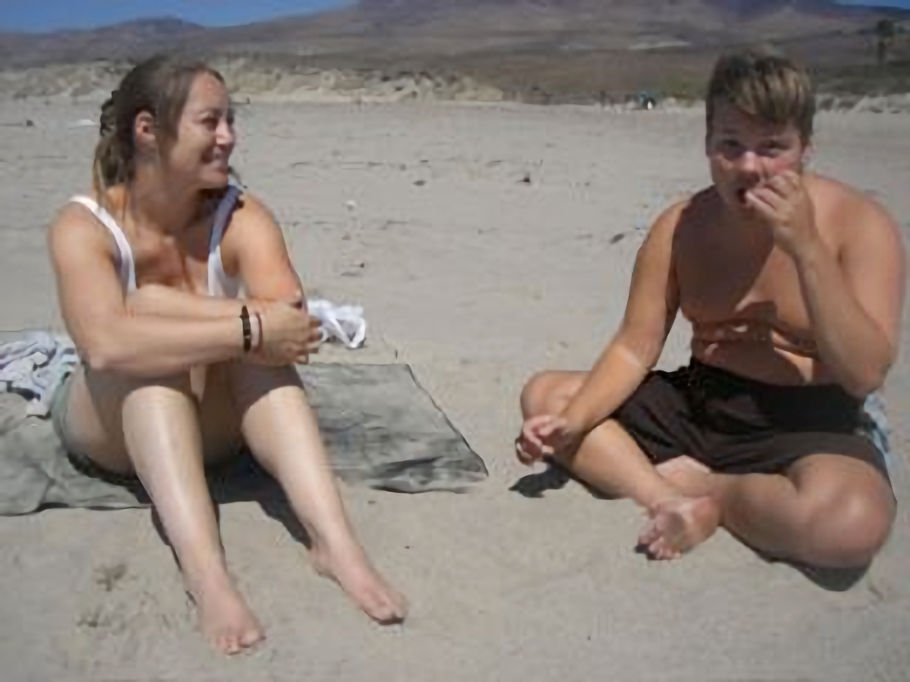
Luckily, my mom isn't so easily side tracked. She really wondered because, as I now understand, there is a reason and it can be helpful to know what that reason is. Following these clues doesn't always lead to knowing how to stop the behavior, how to fix the numbness or itch or pain, but it can. And it can lead to understanding it. And the attitude of knowing there is a reason leads to seeing the behavior differently; usually with less annoyance and more understanding.
I won't fool myself into thinking now that I've had this rash I know what it's like to live in a body that has sensory sensitivities or a noticeable rash, I'm pretty sure mine will be temporary. Hence, I can take advantage of this opportunity from that privileged place. I am grateful to have these opportunities.
I don't prefer pain or itching or attracting attention with bruises or blemishes, I don't wish I could keep them, but I do like attempting to understand how different my choices and beliefs would be if I did always or often have those things.
Funnily: part of the reason I started to love the opportunity to notice and imagine is I prefer it over trying to figure things out or fix them. I am lazy that way. I'd rather have a rash or a pain and notice my behavior, assume the problem with solve itself, rather than focusing on figuring it out or fixing it. I like letting things happen and finding a way to be okay with them. That's easier for me. (It is not better, just easier. I have waited to the point of danger before.) This is something that, maybe, grew out of me spending this first half of my life in a brain and body that are fairly plain? Fairly middle of the road? This type of laziness probably grew out of me living in a body that, so far, has almost always figured itself out.
I like that.
I look forward to learning how to like it when my body changes and I do have to figure more things out. Hopefully all this noticing will help me have empathy (not sympathy) for myself.
Now, if you'll excuse me, I'm going to notice myself sneaking off into another room where no one will witness me scratching this rash and it will feel sooooooooo goooooooood...
Frequently Asked Questions
NOTE: Researched FAQs by Disabled World (DW)
What are sensory sensitivities?
Sensory sensitivities are differences in how the brain processes input such as touch, sound, light, taste, smell, and body movement. A person may be over-responsive and find ordinary sensations painful or overwhelming, or under-responsive and seek out extra input to feel regulated.
Why do some people with disabilities rock, tap, or hit parts of their body?
These repetitive movements often help a person calm down, focus, relieve discomfort, or add sensory input their body is missing. For people with limited speech, they can also be a way of signaling pain, boredom, anxiety, or excitement.
Should caregivers try to stop repetitive self-stimulating behaviors?
In most cases these behaviors are harmless and serve a real purpose, so stopping them can increase stress. Intervention is usually only recommended when a behavior causes injury, and even then the goal is to replace it with a safer way of meeting the same need.
How can caregivers figure out what a nonverbal person is feeling?
Caregivers can track when a behavior happens, what came before it, and what seems to ease it. Patterns tied to time of day, clothing, noise, food, or health issues often point to the cause, and speech therapists or occupational therapists can help with communication tools.
What is the difference between empathy and sympathy in disability support?
Sympathy means feeling sorry for someone from the outside, while empathy means trying to understand what the experience is actually like for them. Empathy tends to lead to more respectful and practical support because it focuses on the person's needs rather than on pity.
Can adults develop sensory processing changes later in life?
Yes. Aging, hearing or vision loss, nerve damage such as peripheral neuropathy, stroke, brain injury, and dementia can all change how a person senses and responds to touch, sound, and other input.
Why is scratching an itchy rash a bad idea?
Scratching can break the skin, which raises the risk of infection and can lead to scarring. With poison ivy, oil left on the skin or under the fingernails can also spread to other areas, so washing the skin and using cool compresses or anti-itch products is usually advised.
When should a caregiver seek professional help for repetitive body movements?
A doctor or therapist should be consulted if a movement is new, suddenly gets worse, causes injury, or seems linked to pain or illness. A sudden change in behavior in someone who cannot speak clearly can be a sign of an untreated medical problem.
Insights, Analysis, and Developments
Editorial Note: Most of us only think about how our bodies steer our choices when something goes wrong, and even then we mostly look for the fix. This short essay does something else: it treats a passing rash as a reason to watch the small decisions discomfort drives, from what we wear to where we slip away to scratch in private. For anyone who lives with or supports a person whose movements look odd from the outside, especially someone who can't easily explain what they feel, the takeaway is simple and practical - assume there is a reason. That change in attitude won't solve every itch or ache, but it tends to replace frustration with patience. It also prepares us for the day our own bodies start needing more attention than they do now.*
 Author Credentials: Tsara Shelton, author of Spinning in Circles and Learning From Myself, is a contributing editor to Disabled World. She is also the oldest daughter of international brain change and behavior expert Dr. Lynette Louise ("The Brain Broad"). Explore Tsara's complete biography for comprehensive insights into her background, expertise, and accomplishments.
* Editorial additions by Ian C. Langtree.